Introduction:
Maintaining high standards of clinical hygiene is essential in both medical and cosmetic settings. Whether performing a medical procedure, a cosmetic treatment, or undergoing any form of aesthetic enhancement, strict hygiene protocols must be followed to prevent infections and protect clients and patient safety.
In the UK, regulatory bodies, local councils and government requirements continue to strengthen infection control measures through evolving frameworks and updated standards, ensuring that hygiene practices remain at the highest level. These measures are designed not only to reduce health risks but also to reinforce professionalism and trust within the industry.
The Role of Hygiene in Preventing Infections
Clinical hygiene plays a critical role in preventing infections that can arise during medical or cosmetic procedures. Any treatment that involves breaking the skin, such as injectables, laser therapies, or surgical interventions, presents an opportunity for bacteria, viruses, or fungi to enter the body. Without rigorous hygiene protocols, clients and patients may experience complications, including delayed healing, scarring, or, in severe cases, systemic infections like sepsis.
Beyond the immediate health concerns, poor hygiene can also undermine the credibility of practitioners and businesses. Clients and patients trust professionals to provide safe and effective treatments, and any failure to maintain cleanliness not only puts clients at risk but also damages the reputation of the wider industry.
In the UK, strict legal and regulatory frameworks are in place to ensure practitioners uphold the highest standards of hygiene and infection control. Laws such as the Health and Social Care Act 2008 (Regulated Activities) Regulations 2014, the Control of Substances Hazardous to Health (COSHH) regulations, and guidelines from the Care Quality Commission (CQC) set clear expectations for hygiene and cleanliness in medical settings. These standards ensure that all procedures are performed in a controlled environment, reducing the likelihood of contamination or infection.
However currently for any individuals or businesses offering cosmetic treatments or services (without regulatory bodies or mandatory licensing) in place, the strict legal frameworks isn’t a requirement, and these businesses are advised by their local councils on requirements (which can be different council to council).
Strengthening Infection Control Measures with New Frameworks
With advancements in medical and cosmetic treatments, hygiene and infection control measures are continuously evolving. In response to growing concerns around client and patient safety.
Updated frameworks which are now being introduced through regulatory bodies now emphasise further measures that will be required to ensure infection prevention as a core requirement for practitioners.
The use of medical devices and aesthetic treatment tools must adhere to strict sterilisation protocols. Autoclaving, chemical disinfection, and single-use equipment policies are key areas of compliance. Additionally, the use of licensed and regulated products is becoming a fundamental requirement, ensuring that all substances used in treatments meet UK safety and hygiene standards.
Why These Measures Are Essential
The introduction of these frameworks and strengthened hygiene regulations is crucial for maintaining public health, protecting client and patients, and upholding the credibility of the cosmetic and medical industries. Several key reasons highlight why these steps must be in place:
1. Minimising Public Health Risks – By implementing stricter hygiene protocols, the risk of infection outbreaks related to medical and cosmetic treatments is significantly reduced. A lack of hygiene control in treatment environments can lead to the spread of conditions such as bacterial infections, viral diseases, or even antibiotic-resistant infections.
2. Protecting Client & Patient Safety – Patients undergoing cosmetic treatments must feel confident that they are in a safe, sterile environment. Clear infection control measures ensure that every procedure is carried out with minimal risk, promoting better treatment outcomes.
3. Standardising Professional Practices – By enforcing mandatory infection control training and licensing, the new regulatory framework aims to ensure that all practitioners meet the same high standards (within organisations registered with assessment bodies). This eliminates inconsistencies across clinics and prevents unqualified individuals from performing risky procedures.
4. Ensuring Accountability in the Industry – With more frequent inspections, licensing checks, and hygiene audits, professionals as a whole should be further held accountable for maintaining the highest standards. This reduces the prevalence of unsafe practices and enhances the overall reputation of the industry.
How Professionals and Clients Can Work Together to Maintain Hygiene
While professionals are responsible for implementing hygiene and infection control measures, clients and patients also play a role in ensuring their own safety. Before undergoing any treatment, individuals should research practitioners thoroughly, ensuring they are accredited, licensed, and follow strict hygiene protocols. Platforms such as CosmediCheck help clients identify trusted and verified professionals who adhere to the highest clinical standards.
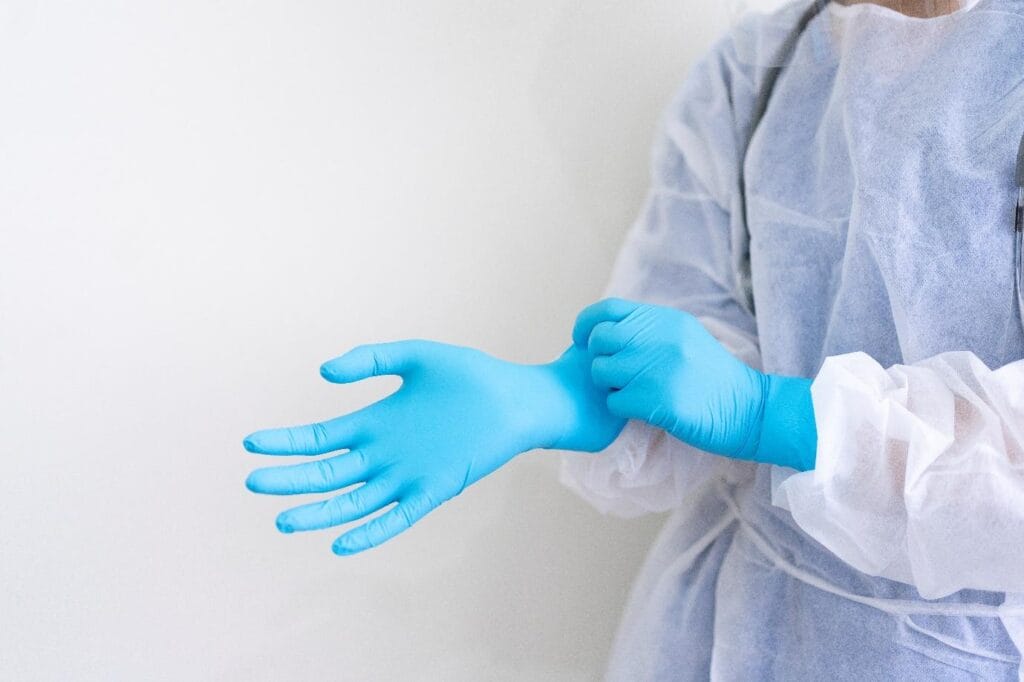
Clients should also be proactive in asking about hygiene measures during consultations. Ensuring that treatment areas are clean, tools are properly sterilised, and practitioners use disposable gloves and masks can provide added reassurance. Following pre-treatment and post-treatment care guidelines is equally important in reducing infection risks and ensuring optimal healing.
Summary
Hygiene and infection control are a part of the foundations for safe medical and cosmetic treatments. With the introduction of new regulatory frameworks, enhanced stricter clinic standards, the UK government are taking significant steps to protect client and patient safety and professional integrity within the industry.
By following these rigorous hygiene measures, professionals can provide safer treatments, while clients can make informed decisions about their care. Platforms like CosmediCheck play a vital role in helping clients connect with trusted and accredited professionals, ensuring that every treatment is carried out in a safe and controlled environment.
Ultimately, maintaining high clinical hygiene standards and best practices are becoming a main focus for compliance, along with the ethical responsibility that safeguards the health and well-being of every patient. When hygiene is prioritised, everyone benefits from safer procedures, improved treatment outcomes, and greater confidence in the cosmetic and medical industry.
Article Author

Government Update: Licensing of Non‑Surgical Cosmetic Procedures in England
Introduction On 7 August 2025, the Department of Health & Social Care (DHSC) published its official response to the 2023 consultation on introducing a national

AI in the Cosmetic Industry: Why the Human Touch Still Matters
Introduction Artificial Intelligence (AI) is transforming almost every industry and the cosmetic sector is no exception. From virtual consultations to automated marketing, AI is helping
One Body, One Life: Why Looking After Your Health and Appearance Matters
Introduction We are each given just one body. It carries us through every stage of life, and how we choose to look after it will

Government Announces Licensing for Non-Surgical Cosmetic Procedures
Introduction: The Urgent Need for Change in the Cosmetic Sector In recent years, the UK’s booming cosmetic industry has seen a rise in serious incidents