Infection Control for Microneedling and MCA Treatments
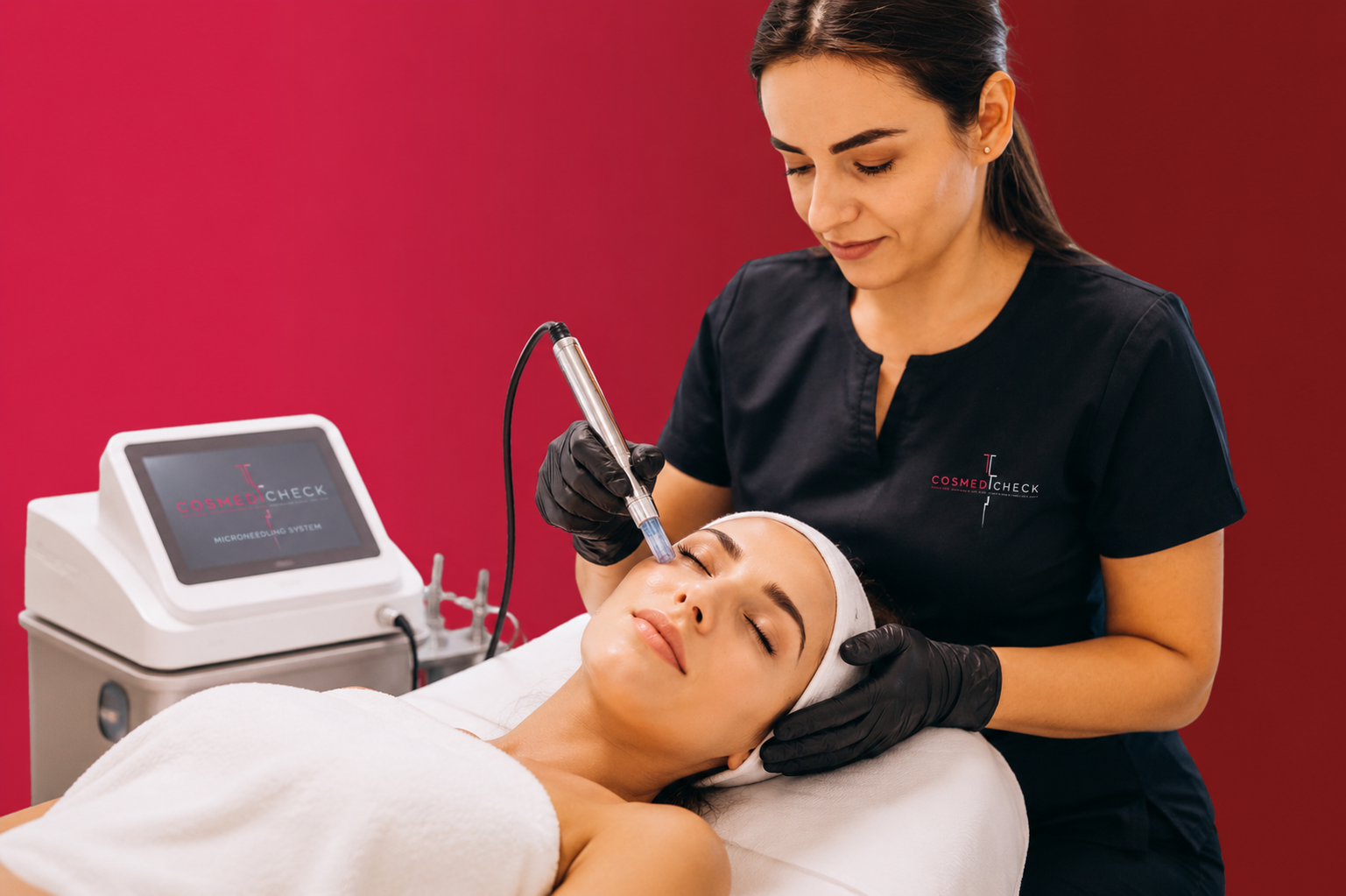
Microneedling and MCA treatments continue to grow in popularity. Because these treatments create controlled micro-injuries in the skin, infection control is not optional. Practitioners need to minimise the risk of cross-contamination and maintain a safe treatment environment for every patient and client.
The Risk Most Practitioners Miss
Even when using sterile, single-use needle cartridges, the microneedling pen itself can become contaminated during treatment through:
- Gloved hand contact
- Treatment fluids
- Blood spotting
- Surface transfer during the procedure
A single-use protective sleeve or barrier film over the microneedling device addresses this directly. It is a simple step that significantly reduces the risk of cross-contamination between clients.
Visible Standards Matter
We continue to see social media content showing unprotected microneedling pens, poor PPE standards, and inadequate infection control during treatments. This is not a niche problem. It is visible to clients, to peers, and increasingly to regulators.
Hygiene practices that clients can see build trust, reinforce professionalism, and protect clinic credibility. The standards you maintain behind closed doors matter. The standards clients can observe matter more.
Best Practice Checklist
- Use sterile, single-use cartridges for every treatment
- Protect the microneedling pen with barrier film or a device sleeve
- Follow appropriate PPE protocols throughout the procedure
- Disinfect all treatment surfaces between patients and clients
- Follow manufacturer cleaning and device maintenance guidance
- Dispose of sharps safely and in accordance with current regulations
Why This Matters Now
Infection prevention, cleanliness, governance, and safety already form part of CQC assessment expectations for regulated providers. Not all aesthetics clinics currently fall under CQC regulation, but the framework is widely seen within the industry as an indicator of the direction standards and regulatory expectations may continue to move across the non-surgical cosmetic sector.
Discussions around licensing and regulation for non-surgical cosmetic procedures continue across the UK. Industry bodies and safety organisations are maintaining focus on practitioner standards, infection control protocols, insurance and complications cover, safe prescribing pathways, and patient consent and aftercare.
For practitioners, the direction is clear: proactive attention to hygiene and infection control is not just good practice. It is increasingly the baseline expectation.
Looking for a verified practitioner?
Find professionals verified for this treatment on CosmediCheck.